Did you know that less than 20% of electronic waste is recycled globally?
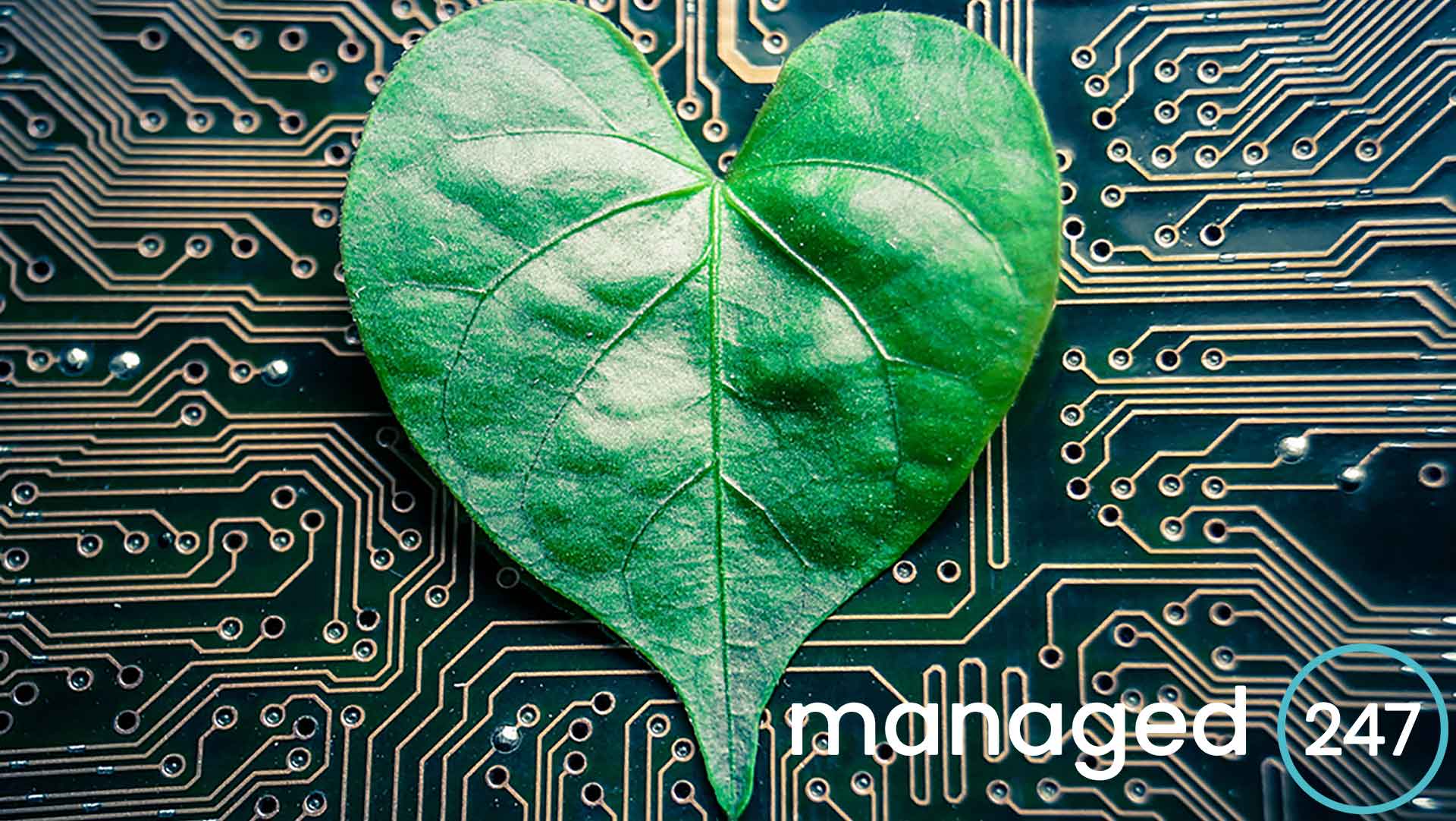
Data suggests that by 2050, e-waste production will exceed 120 million tons per year (source). Technology is advancing and evolving, and it offers incredible opportunities, but there are concerns over the amount of waste ending up in landfill sites. In this guide, we’ll discuss IT recycling, one of the most effective solutions for reducing waste and lowering the carbon footprint of businesses, households and organisations that utilise IT systems and devices.
What are the Benefits of IT Recycling?
Almost every business now uses IT to deliver products and services to customers and clients. There are amazing advantages to embracing innovation and updating and upgrading systems, but what happens when you replace old devices, or you need to get rid of computers or hardware? Many companies and homeowners dispose of devices and gadgets by taking them to the tip, but there is another option. Recycling IT products and devices is a simple, effective way to support eco-friendly initiatives and make a positive difference.
Here are some key benefits of IT recycling:
- Reducing landfill deposits: targeted green IT initiatives and recycling services prevent products and machinery from ending up in landfill sites. Globally, less than 20% of e-waste is recycled, which means that over 80% ends up in landfill.
- Preventing exposure to toxic waste: electronic waste often contains chemicals, such as lead and mercury, which can be toxic. Removing e-waste from landfill sites helps to prevent exposure to toxic waste.
- Reducing energy consumption and the carbon footprint of IT: around 2% of the components found in modern-day computers cannot be recycled. Recycling and reusing parts is a simple way to lower manufacturing costs and simplify processes. This reduces energy consumption, lowering the carbon footprint of IT operations and reducing global warming risks.
- Security: one of the most significant benefits of using a professional IT recycling service is ensuring the safe, secure transportation and disposal of IT devices.
- Helping others: we all rely on technology now, but it’s not always accessible to everyone. IT recycling doesn’t always involve disposing of devices and ensuring that parts and elements are recycled and used again. It can also cover passing unwanted devices onto others. Organisations that invest heavily in tech, for example, may update computers regularly, meaning they get rid of devices that are in good working order. Recycling contributes to the circular economy and it can offer opportunities to others.
How to Recycle E-Waste
There are multiple benefits of recycling e-waste and embracing sustainable, green IT, but how do you recycle devices? If you’re looking for a simple, seamless, efficient, secure and sustainable IT recycling service, Managed247 is here to help.
We specialise in trade-in and IT recycling services, eliminating the hassle for clients while enabling them to reap the rewards of recycling and repurposing processes. Get in touch today for a quote and more information about our tailored recycling services.
Conclusion
We are surrounded by technology. While we have embraced recycling in our homes, millions of tons of e-waste end up in landfill sites every year. IT recycling is an effective strategy for reducing waste, enhancing safety and security, lowering company and household carbon emissions and reducing manufacturing costs and energy consumption. If you would like to find out more about IT recycling or get a quote, contact Managed247.
Let’s solve what’s slowing you down.
Whether you’re rethinking support, scaling your infrastructure, or strengthening security, we’re here to help you move forward with confidence.